
Chancel repair liability is an historic legal obligation that can require the owner of certain land in England and Wales to contribute towards repairs to the chancel of a parish church. The chancel is traditionally the part of the church around the altar.
For most people buying a home today, chancel repair liability is not something to panic about. Changes to land registration law in 2013 significantly reduced the circumstances in which an undisclosed liability can affect someone buying registered land for value.
However, the liability has not disappeared completely.
It can still be relevant where a liability is protected on the registered title, where land remains unregistered, or in certain transactions that are not ordinary purchases for value. This is why your conveyancer may still consider chancel repair liability when investigating the property.
What Is Chancel Repair Liability?
Chancel repair liability is an obligation attached to certain pieces of land rather than to a particular person.
Historically, some landowners became responsible for contributing towards repairs to the chancel of a parish church because of the historic ownership and use of the land.
A property does not necessarily need to be immediately next to a church to be affected.
Land with a historic liability may now contain:
- Houses.
- Gardens.
- Agricultural land.
- Commercial property.
- Residential developments.
This can make chancel repair liability surprising for modern property owners.
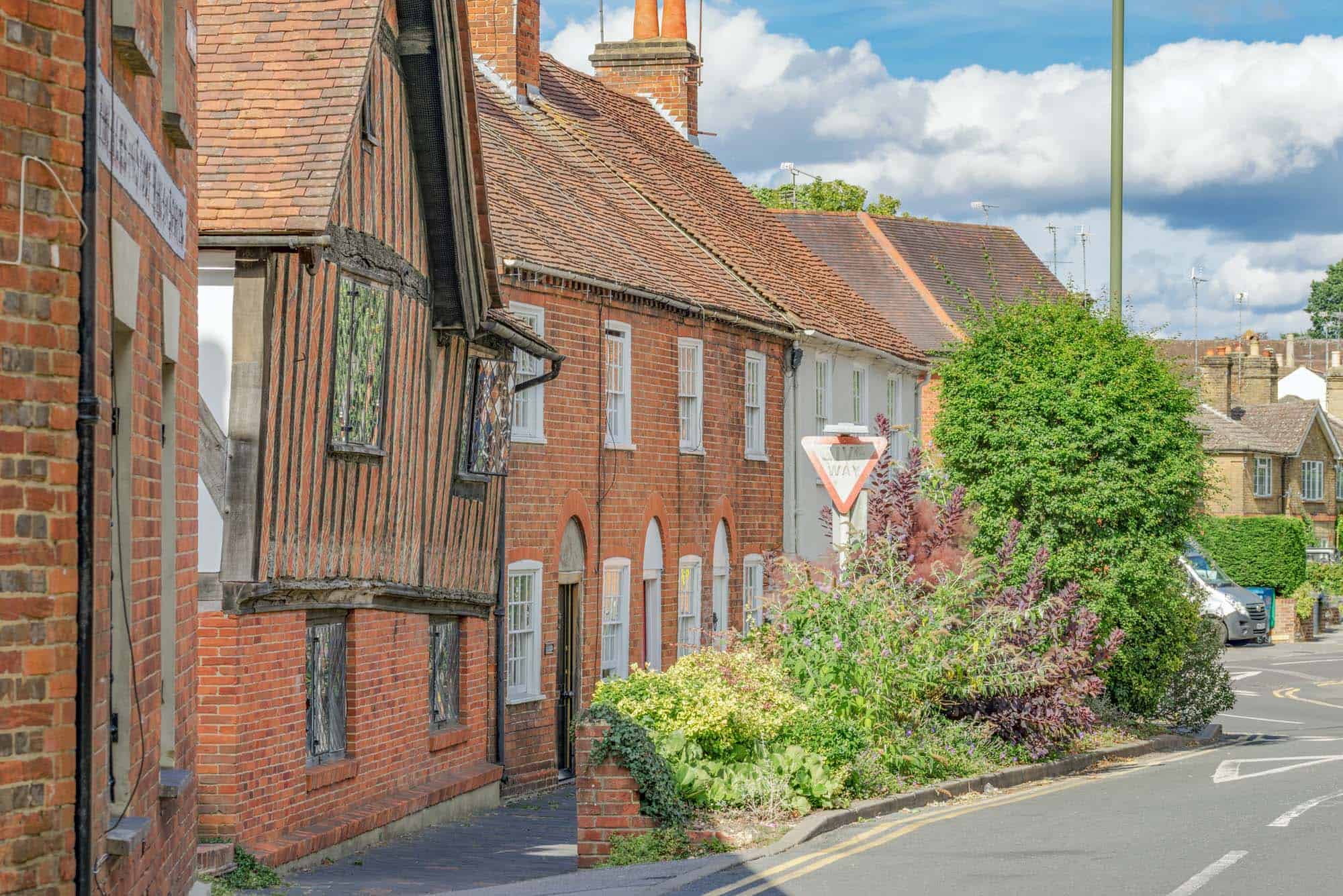
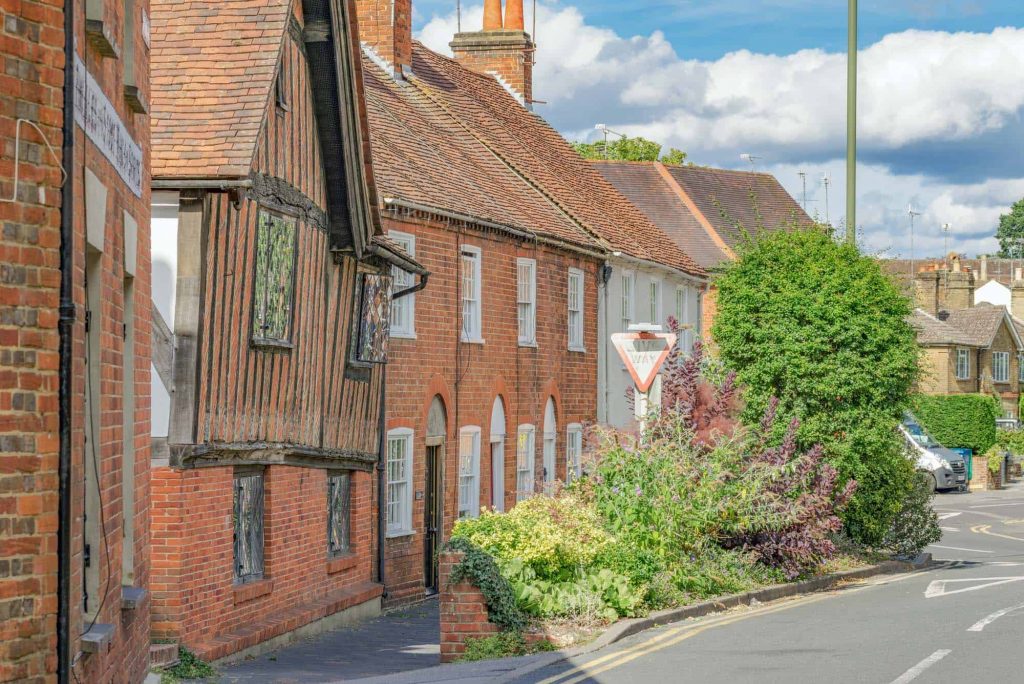
Someone could potentially own a relatively modern house built on land that historically formed part of a much older estate.
What Is a Chancel?
The chancel is the part of a traditional church containing the altar and often the choir.
Historically, responsibility for maintaining different parts of a parish church could fall on different people.
The congregation or parish might have been responsible for one part of the building, while the person entitled to certain historic rights over local land could be responsible for maintaining the chancel.
Although modern property ownership looks very different, some of these historic obligations survived.
Why Can a Modern Home Have an Ancient Church Liability?
Chancel repair liability can attach to land through its historical ownership.
Over hundreds of years, that land may have been:
- Divided into smaller plots.
- Sold repeatedly.
- Developed for housing.
- Passed through families.
- Combined with other land.
- Registered with HM Land Registry.
The appearance or age of the current house therefore does not necessarily determine whether an historic right once affected the land.
This is particularly relevant when buying an older property, where historic title issues and unusual rights can sometimes require additional investigation.
Does Chancel Repair Liability Still Exist?
Yes.
The 2013 changes did not abolish chancel repair liability.
What changed was the way certain historic interests receive protection under the land registration system.
Before 13 October 2013, chancel repair liability could operate as an overriding interest. This meant it could potentially bind the owner of registered land even though nothing referring to the liability appeared on the title register.
That automatic overriding status ended in October 2013.
For people buying registered property for valuable consideration, this significantly changed the risk.
What Changed in October 2013?
The key date is 13 October 2013.
From that date, chancel repair liability stopped benefiting from the same automatic overriding protection it previously enjoyed.
For land that was already registered before that date, a buyer who subsequently acquires the property for valuable consideration by a registrable disposition will generally take free of an existing chancel repair liability if it has not been protected by a notice on the register before the buyer’s transaction is registered.
This is why checking the registered title is important.
However, it is misleading to say that every unregistered chancel liability simply disappeared on 13 October 2013.
The legal position is more nuanced.
Does Chancel Repair Liability Have to Appear on the Land Registry Title?
For a buyer purchasing registered land for value, the title register is particularly important.
A qualifying chancel repair liability can be protected by a notice against the registered title.
If a relevant notice appears, your conveyancer will need to investigate what it means for the property.
If the liability is not protected, the position for a purchaser for value of registered land after the 2013 changes is significantly more favourable.
However, different considerations can apply to unregistered property and transfers that are not made for valuable consideration.
Our guide to HM Land Registry and first registration explains the distinction between registered and unregistered property in more detail.
Can a Chancel Notice Still Be Added After 2013?
Potentially, yes.
The 2013 change should not be understood as a blanket deadline after which no application relating to chancel repair liability can ever be made.
HM Land Registry can still receive applications seeking to protect relevant interests by notice.
Whether an interest is capable of binding a particular owner will depend on matters including the property’s registration history, previous transactions and whether the interest has retained priority.
This is one reason why the facts of the individual title matter more than broad statements such as “chancel liability ended in 2013”.
What Does a Chancel Repair Notice Look Like?
Where a liability has been protected against registered property, an entry may appear in the title register.
The wording and circumstances can vary.
Finding an entry does not automatically tell you:
- How much could be payable.
- When a demand might be made.
- Whether repairs are currently planned.
- Whether other properties share the liability.
- Whether the claimed right is ultimately enforceable.
Your conveyancer can review the entry and advise what further investigation may be appropriate.
What Happens If the Property Is Unregistered?
Unregistered property requires additional care.
Land that has not yet been registered at HM Land Registry is still proved through historic title deeds rather than a registered title.
The 2013 change did not simply remove chancel repair liability from unregistered land.
Historic interests can therefore remain relevant.
When unregistered land is registered for the first time, the registration process can also bring historic title issues into focus.
If you are buying unregistered property, your solicitor will investigate the title and advise on any risks revealed by the deeds and searches.
What About Property Received as a Gift or Inheritance?
The distinction between a purchase for value and another type of transfer can be important.
The protection given to a purchaser of registered land for valuable consideration does not necessarily apply in exactly the same way where property changes ownership through:
- A gift.
- An inheritance.
- Certain transfers for no monetary consideration.
If you have inherited a property or are receiving land without buying it in the normal way, do not assume that the absence of a chancel entry automatically settles the question.
The history of the title may need to be considered.
How Does a Conveyancer Check for Chancel Repair Liability?
When we deal with the conveyancing process, we investigate the legal title and consider the searches and enquiries appropriate to the property.
Depending on the circumstances, chancel repair liability may be considered through:
- The registered title.
- Historic title documents.
- Relevant property searches.
- Additional investigation where a potential issue is identified.
The appropriate approach depends on the property.
Not every transaction requires exactly the same investigation.
What Is a Chancel Search?
A chancel search is intended to identify whether a property may be situated in an area where historic chancel repair liability could potentially exist.
There is an important distinction between identifying a potential risk and proving that a specific property is definitely liable.
A screening search may therefore indicate that further investigation is appropriate without establishing an actual enforceable liability.
Your solicitor can explain what the search result means and whether further action is necessary.
Does a Chancel Search Prove That I Have to Pay?
Not necessarily.
A search indicating potential risk does not automatically establish that:
- Your particular property is liable.
- A valid liability exists.
- A demand will ever be made.
- You are responsible for the full cost of future church repairs.
Historic chancel arrangements can be complicated.
Your conveyancer will consider the search result alongside the title and circumstances of the transaction.
What Is Chancel Repair Indemnity Insurance?
Chancel repair indemnity insurance is a specialist policy intended to protect against certain financial losses if a chancel repair liability is subsequently enforced.
It may be considered where there is a potential risk but detailed investigation would be disproportionate or undesirable.
Policies are usually purchased for a one-off premium rather than an ongoing monthly payment.
The exact cost and cover depend on factors such as:
- The value of the property.
- The level of cover required.
- The information already known.
- The insurer’s terms.
- The circumstances of the transaction.
Your solicitor can advise whether insurance is appropriate for the particular purchase.
Should You Get a Chancel Search or Indemnity Insurance?
There is no single answer for every property.
Possible approaches can include:
| Situation | Possible Approach |
|---|---|
| Registered title shows no apparent issue | Your conveyancer assesses whether further action is necessary |
| Search identifies potential historic risk | Further investigation or insurance may be considered |
| Title contains a specific notice | Legal advice and potentially more detailed investigation |
| Property is unregistered | Historic title and potential liabilities require closer consideration |
| Property is being gifted or inherited | Different priority rules may need to be considered |
The important point is not to purchase unnecessary insurance automatically or, at the other extreme, dismiss an identified title issue without considering it.
Is Chancel Repair Indemnity Insurance Expensive?
Chancel repair insurance is often relatively inexpensive compared with the value of a property transaction, particularly where the risk is regarded as remote.
However, there is no single fixed premium.
Prices depend on the policy, property value, level of cover and circumstances.
We therefore would not recommend assuming that a particular online price will apply to your transaction.
Your solicitor can obtain or discuss appropriate cover where required.
Does Normal Buildings Insurance Cover Chancel Repair Liability?
You should not assume that an ordinary buildings insurance policy covers historic chancel repair liability.
Chancel repair indemnity is a specialist form of legal indemnity cover.
If protection is needed, check exactly what the proposed policy covers rather than relying on your standard home insurance.
How Much Could Chancel Repair Liability Cost?
There is no simple fixed maximum amount that applies to every affected property.
Historically, chancel repair disputes have demonstrated that liabilities can potentially become substantial.
The amount could depend on factors including:
- The repairs required.
- The nature of the historic liability.
- How liability is apportioned.
- Whether other landowners share responsibility.
- Legal costs arising from a dispute.
This is why a liability that appears historically obscure should not simply be ignored when evidence of it exists.
At the same time, the theoretical size of a potential liability should not be confused with the likelihood of a claim being made against a typical modern homebuyer.
Could One Homeowner Be Responsible for the Entire Repair Bill?
The answer depends on the nature of the particular liability.
Some historic arrangements can involve several pieces of land, while others may operate differently.
It should not be assumed that a repair cost will always be evenly divided between every property in a parish.
Likewise, living in a large parish does not automatically mean hundreds of homeowners will share any demand.
The individual title and underlying historic obligation have to be considered.
Does Living Near an Old Church Mean Your Property Is Liable?
No.
Proximity to a church does not by itself establish chancel repair liability.
A house next door to a historic parish church might have no liability, while land some distance away could theoretically be affected because of its historical ownership.
The liability comes from the history of the land rather than simply its distance from the church.
Does the Age of the House Matter?
Not necessarily.
A modern house can stand on land with a much older history.
For example, a housing development built in the last few decades could occupy land that was previously:
- Farmland.
- Part of an estate.
- Attached historically to a rectory.
- Divided from a much larger parcel of land.
The age of the building itself therefore cannot rule chancel repair liability in or out.
Can Chancel Repair Liability Affect a Mortgage?
Potentially.
Mortgage lenders expect the property providing security for their loan to have an acceptable legal title.
Where a significant title issue or historic liability is identified, the lender’s requirements may need to be considered.
Depending on the circumstances, this might involve clarification, further investigation or suitable indemnity insurance.
Your conveyancer usually acts for both you and your mortgage lender in a standard residential purchase, meaning relevant title matters may need to satisfy both parties.
Can Chancel Repair Liability Stop You Buying a House?
Usually, an identified potential chancel risk does not automatically mean the purchase has to fall through.
The issue may be capable of being addressed through:
- Investigation.
- Reviewing the title.
- Checking the nature of the liability.
- Indemnity insurance.
- Satisfying any mortgage lender requirements.
What matters is understanding the risk before becoming legally committed.
Our property buying service includes checking the contract, title documentation and relevant property searches before exchange.
Can You Sell a Property With Chancel Repair Liability?
Yes, a property potentially affected by chancel repair liability can still be sold.
However, if an entry appears on the title or a known liability exists, the buyer’s solicitor is likely to investigate it.
A seller should provide relevant documentation held about the matter.
Depending on the circumstances, indemnity insurance or additional information may help the transaction proceed.
Trying to ignore an existing title entry is unlikely to make the issue disappear.
Should You Contact the Church Yourself?
We would recommend speaking to your conveyancer before making direct enquiries about a possible historic liability.
This is particularly important if indemnity insurance is being considered.
Legal indemnity policies commonly contain conditions relating to what has already been disclosed or investigated, and unnecessary contact with a potential beneficiary could affect whether suitable cover is available.
Let your solicitor assess the position before taking action.
What Should You Do If a Chancel Liability Appears on the Title?
Do not panic.
An entry should be investigated properly before deciding whether the property presents an unacceptable risk.
Your conveyancer can consider:
- The wording of the notice.
- The history of the title.
- Whether further evidence is available.
- Your mortgage lender’s requirements.
- Whether indemnity insurance may be appropriate.
- Whether further specialist advice is needed.
You can then make an informed decision before exchange.
Should Homebuyers Worry About Chancel Repair Liability?
For most buyers, it should be treated as a conveyancing issue to check rather than a reason to avoid buying property.
The 2013 land registration changes provide much greater protection to purchasers for value of registered land where a liability has not been protected.
However, buyers should not assume that chancel repair liability has been abolished.
Additional care can still be required where:
- A notice already appears on the title.
- The property is unregistered.
- Historic deeds indicate a liability.
- The property is transferred without valuable consideration.
- A search identifies something requiring further investigation.
Your conveyancer can establish which of these issues, if any, actually applies.
Is the Law on Chancel Repair Liability Changing Again?
Chancel repair liability remains under legal review.
Current reform work has focused on making the land registration position clearer so that purchasers do not face unexpected liabilities that cannot be identified from the register.
As of October 2026, that reform project remains ongoing.
Until legislation changes, buyers and conveyancers must work with the existing legal framework.
This makes it important to obtain advice based on the position applying at the time of your transaction rather than assuming historic liabilities have disappeared.
Buying Property in Reading and Chancel Repair Checks
Historic title matters can arise in properties across England and Wales, including established towns, villages and rural areas surrounding Reading.
Our conveyancing solicitors in Reading can investigate the title and relevant searches when you are purchasing property and explain any unusual rights, restrictions or liabilities that arise.
Where chancel repair liability is relevant, we can help you understand what the information actually means rather than treating a broad search result as proof that a substantial bill is inevitable.
Frequently Asked Questions
Is chancel repair liability still enforceable?
Potentially, yes. Chancel repair liability was not abolished in 2013. However, the land registration rules significantly affect whether an unprotected historic liability can bind someone who purchases registered land for value.
Did chancel repair liability end in 2013?
No. What ended was its automatic overriding status under the land registration system. Existing liabilities did not all simply disappear on 13 October 2013.
Will chancel repair liability show on the Land Registry title?
A protected liability affecting registered land may appear as a notice on the title. The absence of an entry is particularly important for purchasers for value, although unregistered land and other types of transfer require separate consideration.
Can an unregistered property have chancel repair liability?
Yes. Unregistered land is one of the areas where historic liability can require particular care because there is no registered title providing the same information as registered land.
Does a chancel search mean my house is definitely liable?
No. A screening search can identify a potential risk without proving that the particular property is subject to an enforceable liability.
Do I need chancel repair insurance?
Not necessarily. Whether insurance is appropriate depends on the title, search results, transaction and your mortgage lender’s requirements. Your conveyancer can advise on the options.
Is chancel repair insurance a one-off payment?
Legal indemnity policies of this type are commonly arranged for a single premium, but the terms and duration of cover should always be checked before purchasing.
Can I refuse to buy a property because of chancel repair liability?
Before exchange, you can decide whether you are comfortable proceeding with the purchase. However, an identified potential risk can often be investigated or managed rather than automatically preventing the transaction.
Does every property near a parish church have chancel repair liability?
No. The liability depends on the historical ownership of the land, not simply how close the property is to a church.
Should I investigate chancel liability myself before buying?
We recommend allowing your conveyancer to review the title and relevant searches first. Making unnecessary enquiries yourself could complicate matters, particularly if indemnity insurance may later be considered.
Our Final Thoughts
Chancel repair liability sounds alarming because it combines an ancient legal obligation with the possibility of modern homeowners becoming responsible for church repair costs.
The practical position for most buyers is less dramatic.
The 2013 changes substantially improved the position for people purchasing registered property for value, particularly where no protected liability appears against the title.
However, the liability itself was not abolished.
Registered notices, unregistered land and certain transfers can still require additional consideration.
Rather than worrying about every property with a historic church nearby, allow your conveyancer to investigate the title, consider the appropriate searches and explain whether there is a genuine issue.
If a potential liability is identified, we can help you understand the level of risk and whether further investigation or indemnity insurance is appropriate before you commit to the purchase.